Check-Raise Calculator: Poker Aggression Strategy Guide (2026)
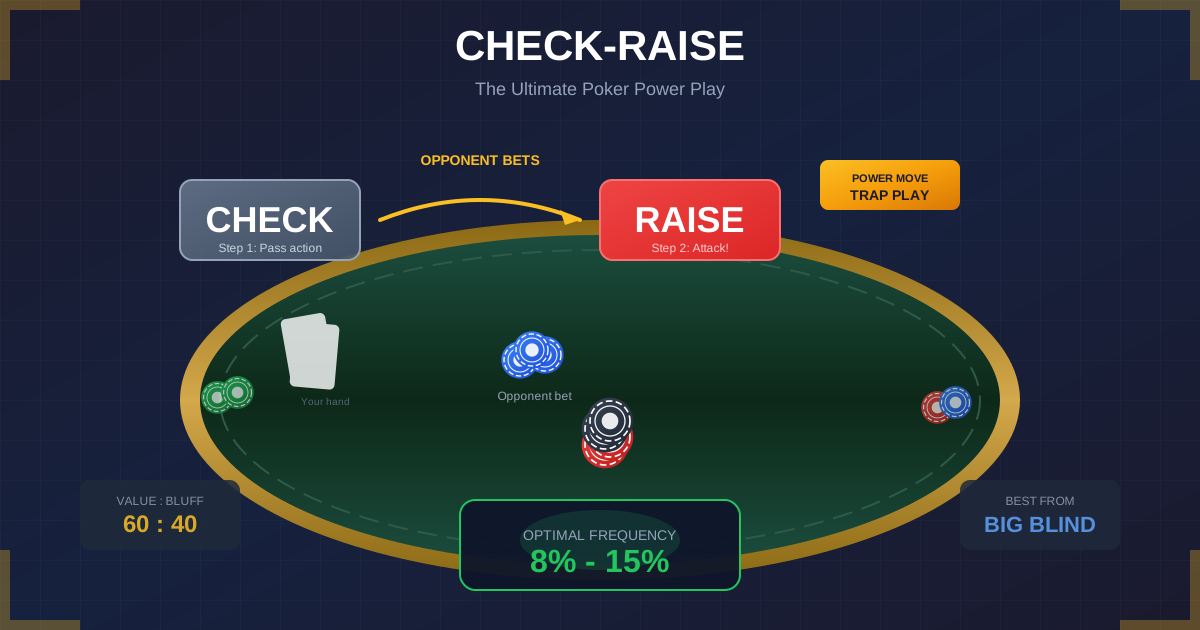
Check-Raise Calculator: The Power Move
Check-raising—checking then raising when opponent bets—is poker's most powerful aggressive line. Our calculator reveals optimal check-raise frequencies, when to use it for value vs bluff, and how this move punishes predictable opponents.
What Is a Check-Raise?
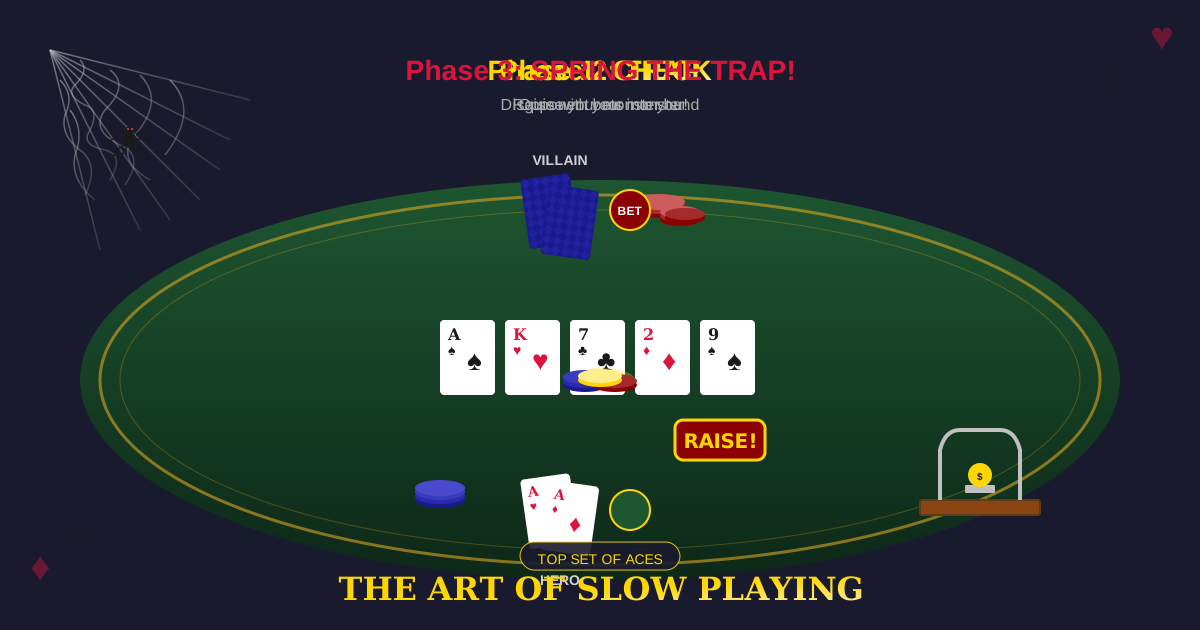
A check-raise is checking your option, waiting for an opponent to bet, then raising that bet. It's an aggressive move that builds pots, traps aggressive opponents, and extracts maximum value from strong hands or represents strength as a bluff.
Quick Answer: Check-raise = check, then raise after opponent bets. Power move for value and bluffs. Frequency: 8-15% of checked hands. Best against aggressive bettors. Builds bigger pots. Punishes auto-bettors. Use sparingly but deliberately. Over-checking then raising = scary line.
How to Use Our Calculator
Use the Check-Raise Calculator →
Calculate check-raise frequencies and ranges.
Step-by-Step Instructions
-
Select Position: Where you're seated
-
Enter Board Texture: Flop cards
-
View Optimal Frequency: How often to x/r
-
Check Value Range: Strong hands to x/r
-
See Bluff Candidates: Appropriate bluffs
Input Fields Explained
| Field | Description | Example |
|---|---|---|
| Position | Your seat | Big Blind |
| Board | Community cards | 8♠ 7♦ 2♣ |
| Opponent c-bet % | How often they bet | 70% |
| X/R Frequency | Your check-raise % | 12% |
| Value Hands | Strong holdings | Sets, 2-pair |
| Bluffs | Semi-bluff hands | OESD, FD |
Check-Raise Fundamentals
When Check-Raising Works
Check-raise conditions:

1. Opponent bets frequently
2. You expect a bet after checking
3. You want to build a pot
4. You're out of position (usually)
5. Board texture supports your range

If opponent checks behind often:
Check-raise fails
Betting out is better
Value Check-Raises
Hands to check-raise for value:

Sets (top ~2% of made hands)
Two pair (strong varieties)
Top pair top kicker (sometimes)
Overpairs (sometimes)

Goal: Build pot
Opponent calls with worse
Extract maximum value
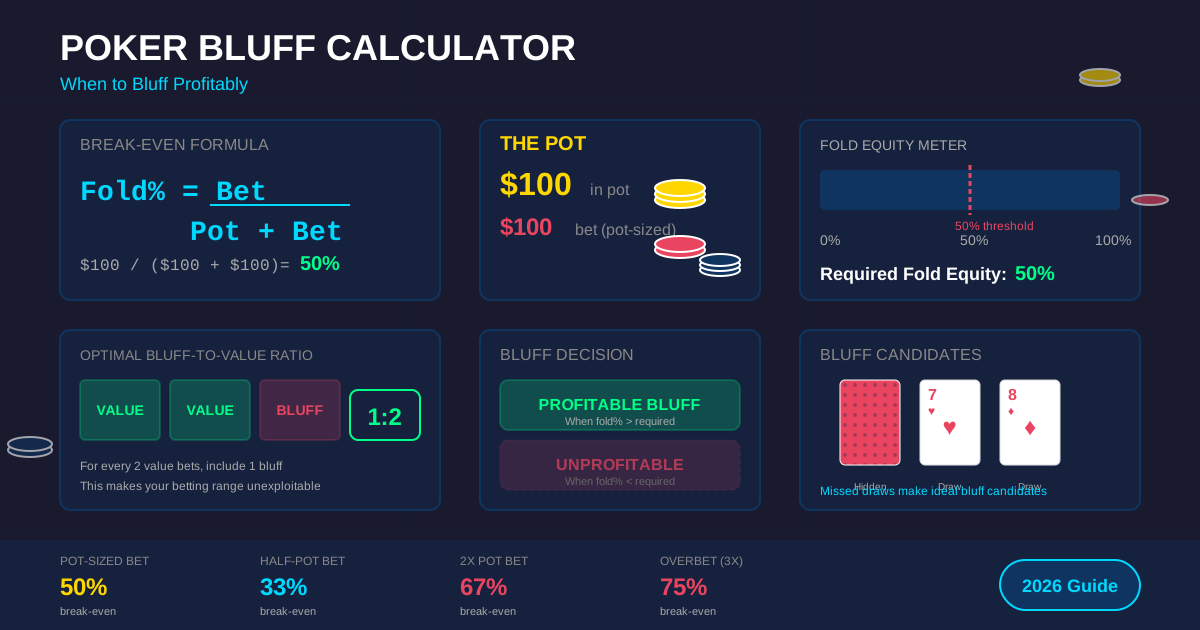
Bluff Check-Raises
Hands to check-raise as bluff:

Open-ended straight draws
Flush draws (with blockers)
Combo draws
Gutshots with overcards

Goal: Fold out better
Semi-bluff with equity
Turn missed into wins
Frequency Guidelines
Overall Check-Raise Rate
Optimal frequencies:

From BB vs c-bet: 8-15%
From SB: Rarely (3-bet preflop instead)
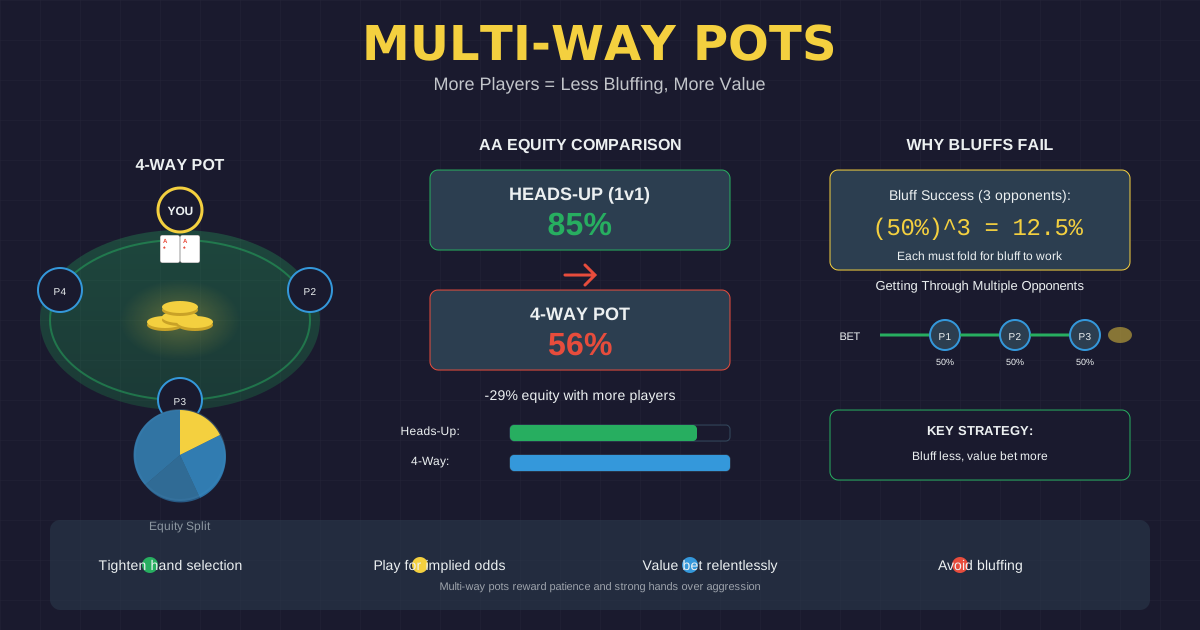
Multiway: Very rarely

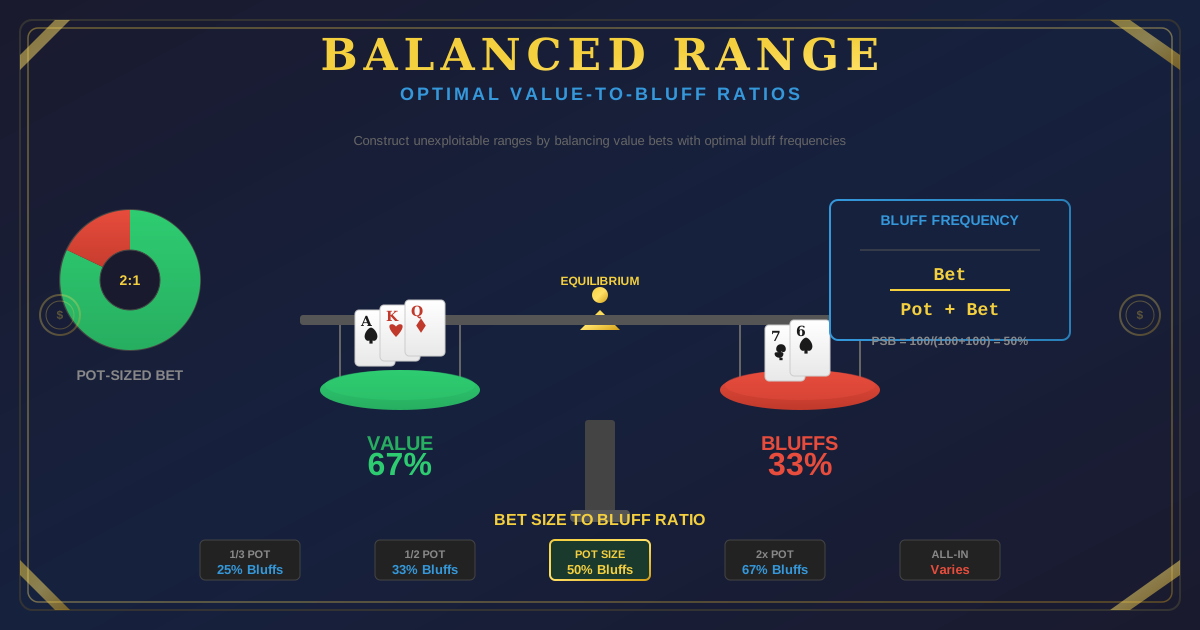
Balance:
~2/3 value, ~1/3 bluff
Or 60/40 split
Keeps opponent guessing
Board Texture Impact
Check-raise more on:

Dynamic boards (8♦7♦4♣)
Boards hitting your range
Paired boards (sometimes)
Low/medium textures

Check-raise less on:

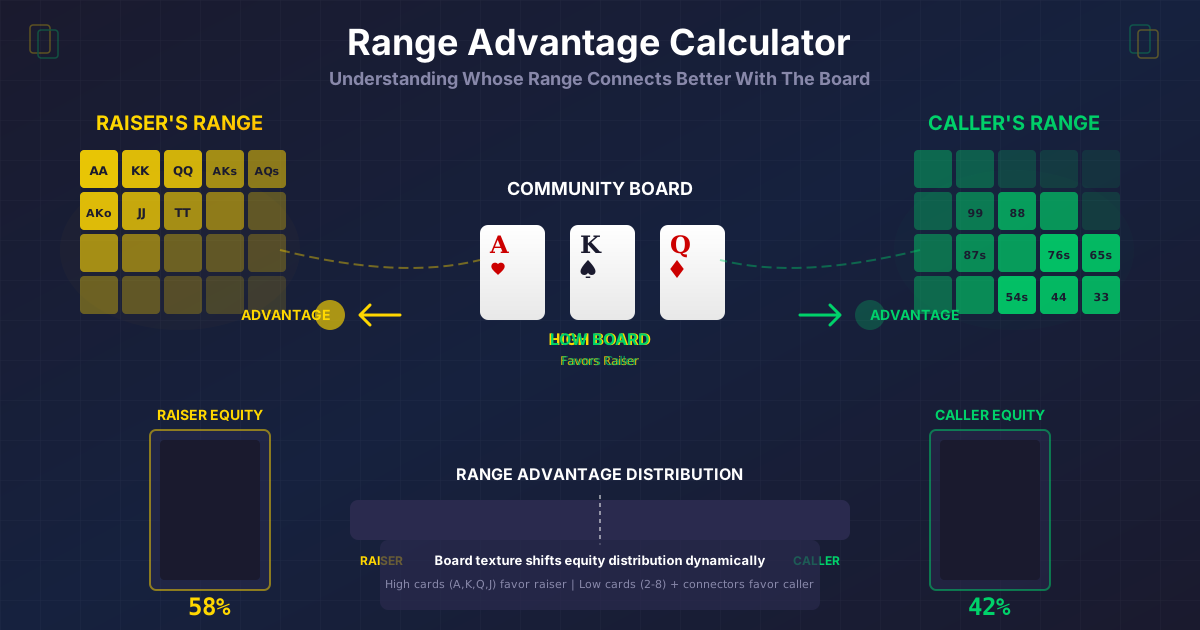
High card dry boards (A♠K♦3♣)
Boards favoring raiser's range
Very wet boards (equity runs close)
Opponent Adjustments
Adjust for opponent:

Aggressive c-bettor (80%+):
Check-raise more (15%+)
They're betting wide
Punish with raises

Conservative bettor (40%):
Check-raise less
Their bets are stronger
Call or check-fold more
Real-World Examples
Example 1: Set Mining Success
Classic value check-raise:
You call BB with 7♥7♣
Flop: 7♦ J♠ 4♣
BTN c-bets 50% pot

Check-raise to 3× their bet
You have bottom set
Jack-X hands will call
Build pot while ahead
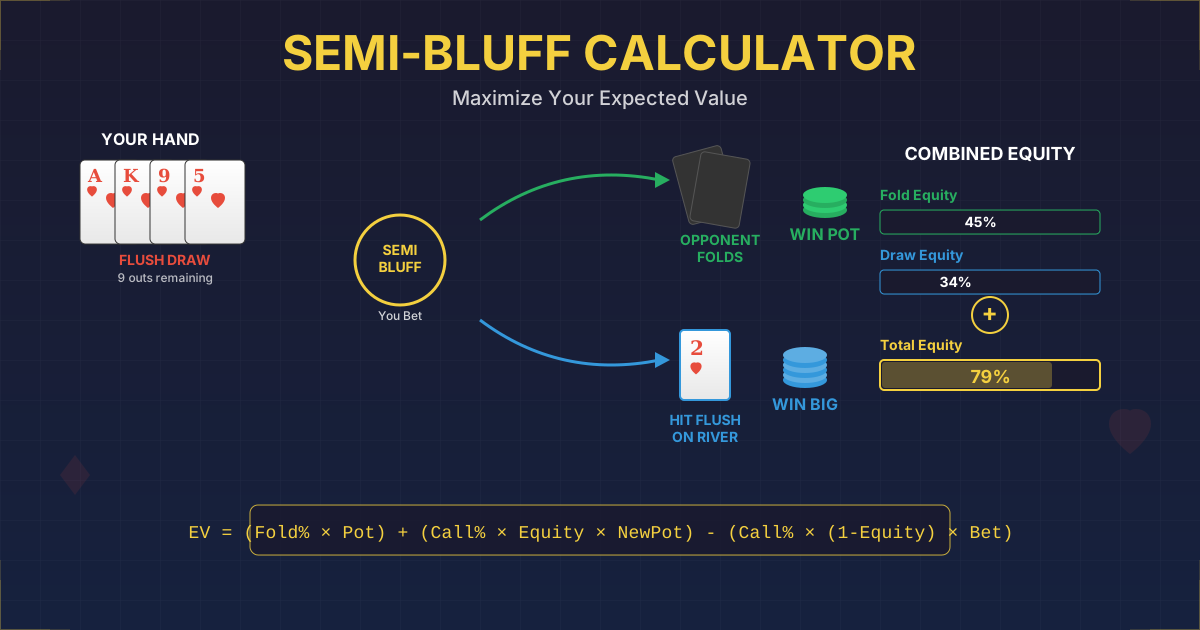
Example 2: Semi-Bluff Draw
Bluff with equity:
You defend BB with 9♥8♥
Flop: T♥6♦2♥
CO c-bets 66% pot

Check-raise to 3×
You have:
- Flush draw (9 outs)
- Gutshot straight (3 outs)

Win now or draw to best hand
Example 3: Check-Call Instead
When not to check-raise:
You defend BB with K♦Q♣
Flop: K♥8♠5♦
BTN c-bets 33% pot

Just call
Top pair but not invincible
Check-raise folds out worse
Only gets action from better
Example 4: Multiway Pot
Rarely check-raise:
3-way pot, you're in BB
Flop: 9♣8♣7♦
EP c-bets, BTN calls

Just fold or call
Check-raise into 2 players
Rarely works
Someone likely has it
Sizing Your Check-Raise
Standard Sizing
Check-raise sizing:

Typical: 3-3.5× opponent's bet

They bet $10:
You raise to $30-35

Gives them bad odds
But doesn't commit you fully
Adjusting Size
When to size up (4×+):

Wet boards (charge draws)
Deep stacks (build pot)
Against calling stations

When to size down (2.5×):

Dry boards
Short stacks
Polarizing your range
Common Mistakes
1. Check-Raising Too Often
Mistake: X/R 25%+ of hands Problem: Easily exploited Fix: Keep to 8-15%
2. Only Value Check-Raises
Mistake: Never bluffing when x/r Problem: Opponent folds easily Fix: Include semi-bluffs
3. Check-Raising Multiway
Mistake: X/R into 3+ players Problem: Someone usually has it Fix: Reserve for heads-up
4. Wrong Board Textures
Mistake: X/R on A-K-Q boards Problem: Favors preflop raiser Fix: Check-raise favorable textures
Frequently Asked Questions
When should I check-raise vs just betting?
Check-raise when opponent bets frequently after your check. If they'll check behind, bet out instead to build the pot.
What's the right check-raise percentage?
8-15% is optimal. Too high becomes exploitable; too low becomes predictable (only value hands).
Should I check-raise with top pair?
Sometimes, on dynamic boards where you need protection. On dry boards, often better to check-call.
Can I check-raise from any position?
Mostly from BB when defending. SB and other positions usually prefer leading out or 3-betting preflop.
What's a good bluff to check-raise ratio?
Roughly 60% value / 40% bluff, or 2:1 value to bluff. Adjust based on opponent tendencies.
How do I respond to a check-raise?
Fold weak hands, call with strong draws or medium strength, and 3-bet with very strong hands or occasional bluffs.
Pro Tips
-
8-15% frequency: Not too much, not too little
-
Mix value and bluffs: Stay balanced
-
Board texture matters: Favor your range
-
Opponent-dependent: Against aggressive players
-
Size 3-3.5×: Their bet amount
Related Calculators
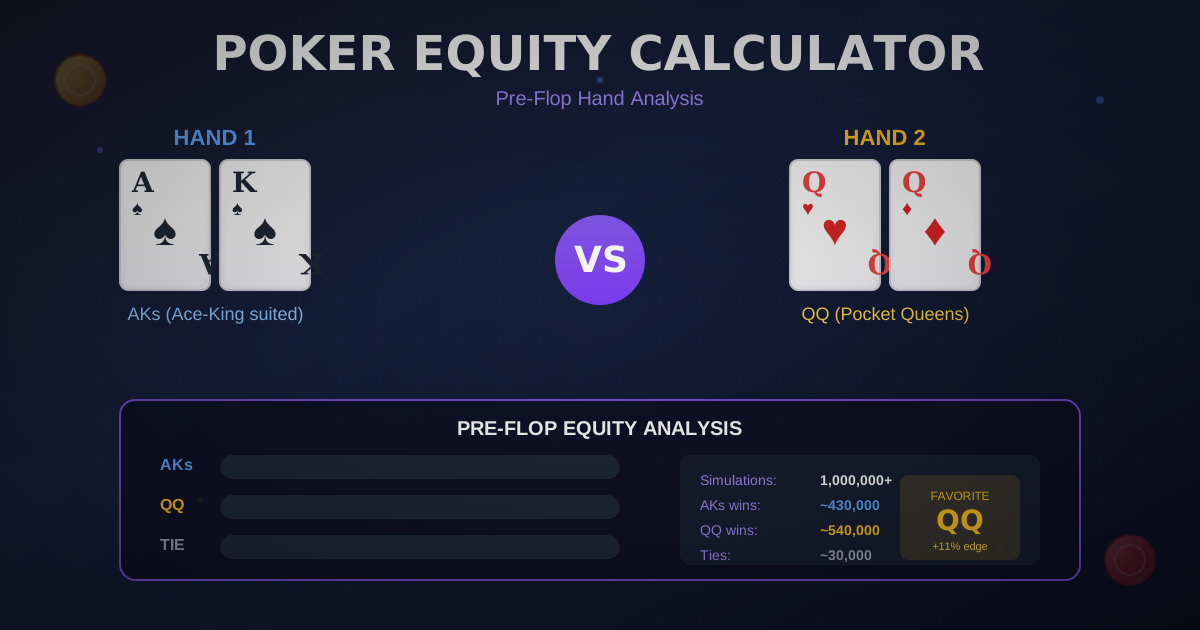
- Poker Odds Calculator - Equity math
- Pot Odds Calculator - Call decisions
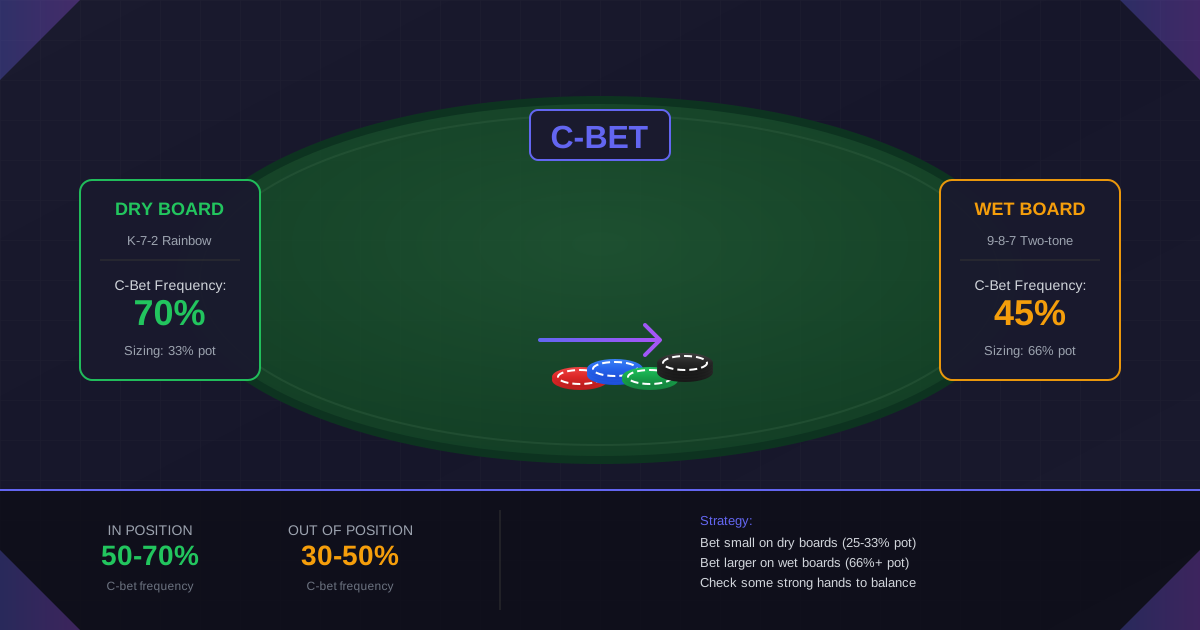
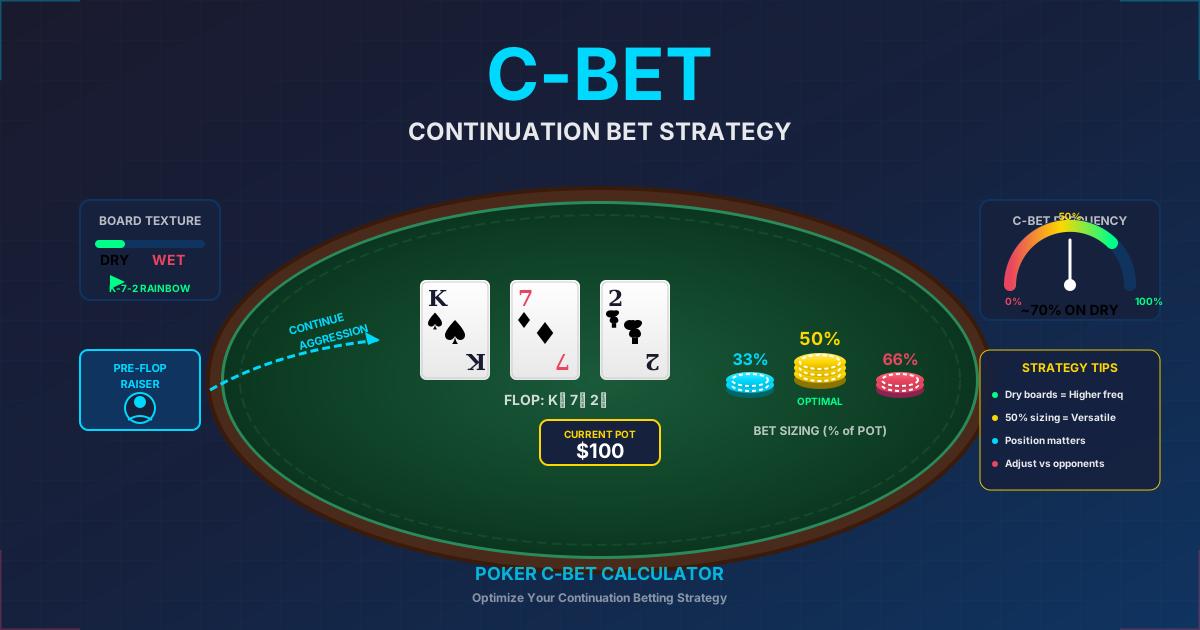
- Continuation Bet Calculator - C-bet strategy
- 3-Bet Calculator - Preflop aggression
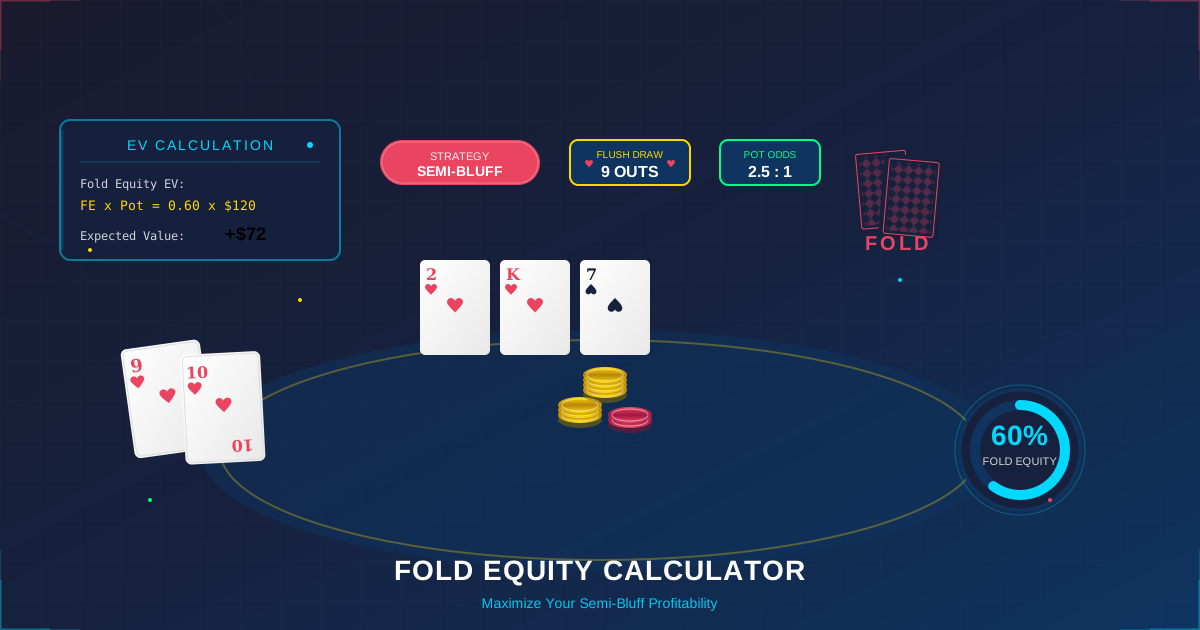
- Fold Equity Calculator - Bluff math
Conclusion
The check-raise is poker's most powerful line—deceptive, pot-building, and aggressive. Our calculator shows optimal frequencies by position and board texture, when to check-raise for value vs bluff, and how to punish opponents who auto-bet when checked to.
Calculate Check-Raise Strategy Now →
Check, let them bet, then come over the top. Our calculator reveals when this power move extracts maximum value and when you're better off just calling.