1-3-2-6 Betting Calculator: Four-Win Sequence System Guide (2026)
1-3-2-6 Calculator: The Controlled Streak System
The 1-3-2-6 system bets in a fixed sequence—1 unit, 3 units, 2 units, then 6 units—resetting after any loss or completing all four wins. Our calculator reveals why this structured approach limits maximum loss to 2 units while chasing 12-unit profits on winning streaks.
What Is the 1-3-2-6 System?
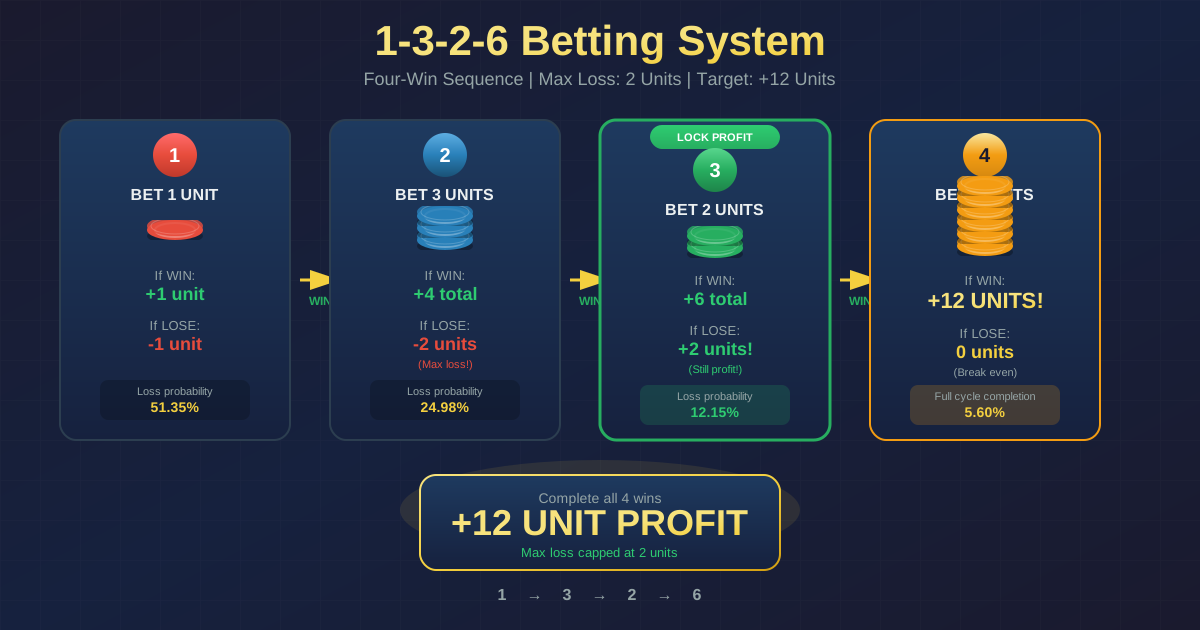
The 1-3-2-6 is a positive progression betting system where you follow a fixed sequence of bet sizes: 1 unit, then 3 units, then 2 units, then 6 units. Any loss resets to the beginning. Complete all four wins and pocket 12 units profit before resetting.
Quick Answer: 1-3-2-6 = bet 1 unit, win → bet 3, win → bet 2, win → bet 6, win → collect 12 units, reset. ANY loss = reset to 1 unit. Max loss: 2 units (if lose on bet 3 or 4). Most losses: 1 unit. Four wins needed for full profit. Structured, predictable progression.
How to Use Our Calculator
Calculate sequence outcomes and expected value.
Step-by-Step Instructions
-
Enter Base Unit: Your 1-unit value
-
Track Position: Current sequence step
-
View Next Bet: According to sequence
-
Calculate Outcomes: Each scenario
-
See Session Results: Net profit/loss
Input Fields Explained
| Field | Description | Example |
|---|---|---|
| Base Unit | 1-unit value | $10 |
| Position | Sequence step | 3 (betting 2) |
| Next Bet | Current wager | $20 |
| Cycle P/L | If lose now | -$20 |
| Full Cycle | 4 wins profit | +$120 |
How 1-3-2-6 Works
The Sequence Explained
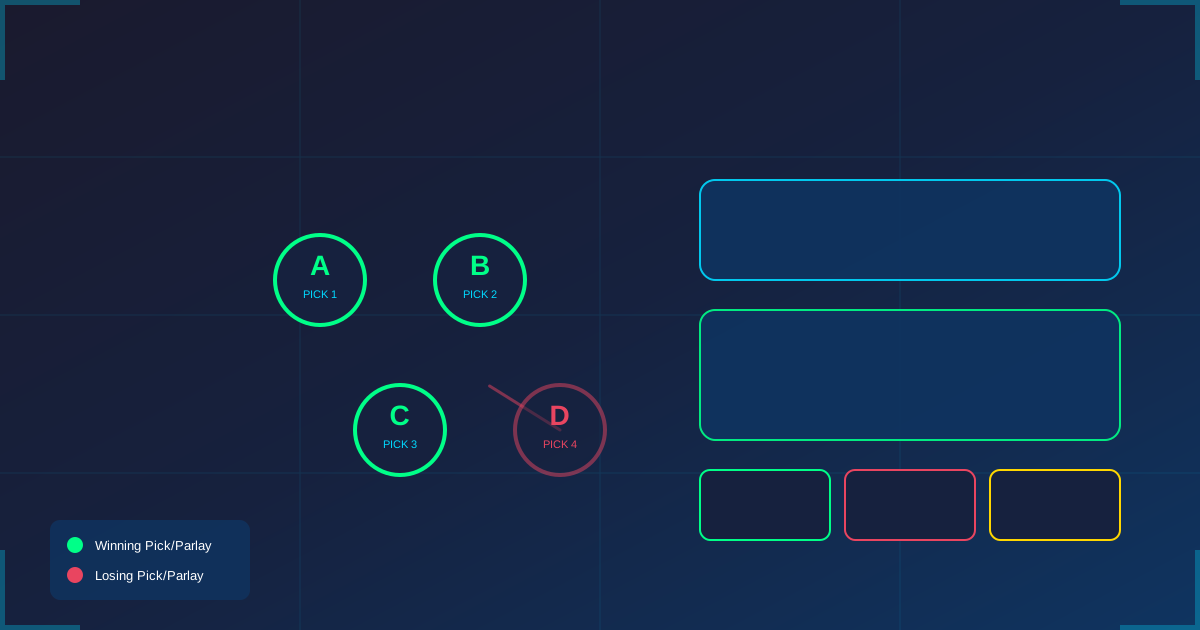
1-3-2-6 progression:

Step 1: Bet 1 unit
WIN → Step 2: Bet 3 units (1+2 profit = 3)
WIN → Step 3: Bet 2 units (lock 4 profit)
WIN → Step 4: Bet 6 units (2+4 profit = 6)
WIN → Collect, reset

Total if all 4 win:
Won: 1 + 3 + 2 + 6 = 12 units
Loss Scenarios
Where losses hurt:

Lose at Step 1: -1 unit
Lose at Step 2: -2 units (won 1, lost 3)
Lose at Step 3: +2 units (won 4, lost 2)
Lose at Step 4: 0 units (won 6, lost 6)

Key insight:
Max loss is 2 units
Steps 3-4 use house money
Why 2 Before 6
The strategic dip:

1-3-2-6 vs 1-3-4-6:

Step 3 = 2 units (not 4)
Locks in 4 units profit
If Step 3 loses: Still +2 units

Conservative protection
Before the big Step 4 bet
Probability Analysis
Four-Win Probability
Chances of completing cycle:

At 48.65% per win:
Win 1: 48.65%
Win 2: 23.67%
Win 3: 11.52%
Win 4: 5.60%

Only 5.6% complete full cycle
But outcomes vary at each step
Expected Value Breakdown
EV per starting cycle:

Complete (5.60%): +12 units
Lose Step 4 (5.92%): 0 units
Lose Step 3 (12.15%): +2 units
Lose Step 2 (24.98%): -2 units
Lose Step 1 (51.35%): -1 unit

Weighted EV:
(0.056 × 12) + (0.059 × 0) + (0.122 × 2)
+ (0.250 × -2) + (0.514 × -1)

= 0.672 + 0 + 0.244 - 0.500 - 0.514
= -0.098 units per cycle

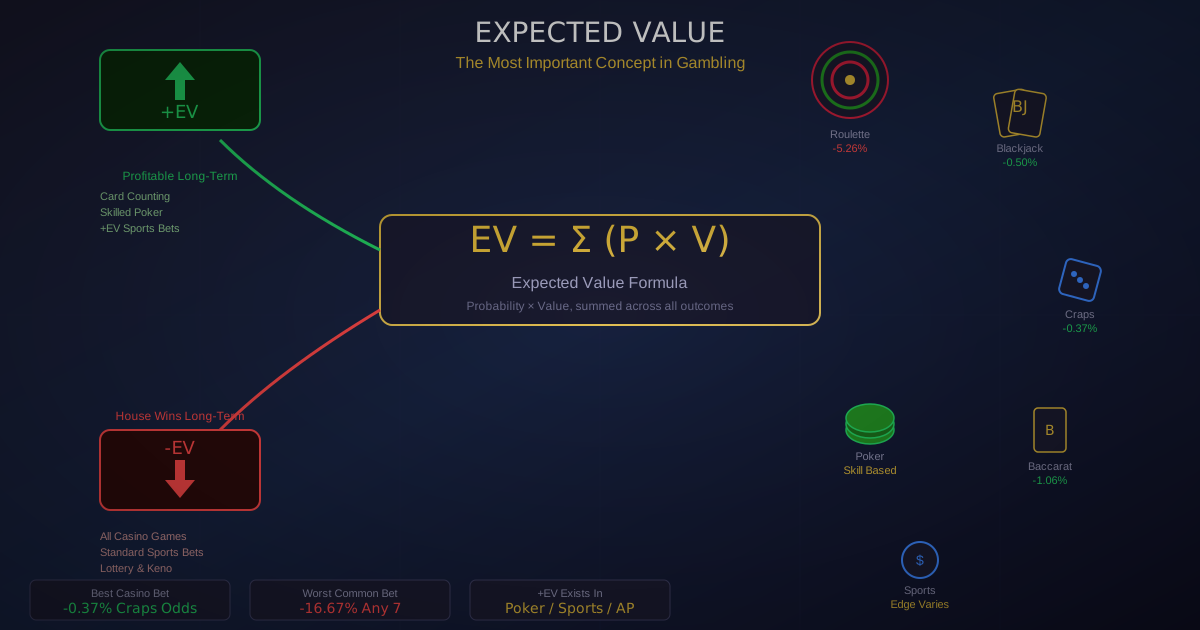
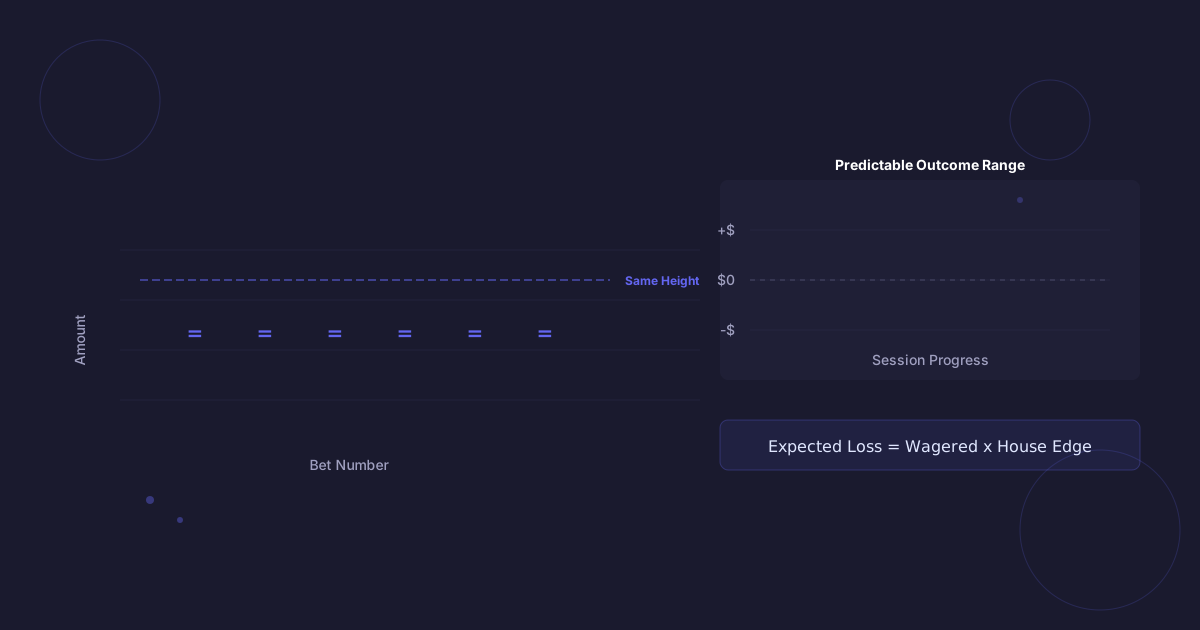
Same house edge, different structure
Loss Distribution
How often each loss amount:

-1 unit: 51.35% of cycles
-2 units: 24.98% of cycles
0 units: 5.92% of cycles
+2 units: 12.15% of cycles
+12 units: 5.60% of cycles

Most common: Small loss
Occasional: Nice win
Real-World Examples
Example 1: Full Completion
Dream scenario:
$10 base unit

Bet $10, WIN: +$10
Bet $30, WIN: +$40
Bet $20, WIN: +$60
Bet $60, WIN: +$120

Reset with +$120 profit
5.6% probability
Example 2: Step 1 Loss
Most common:
$10 base unit

Bet $10, LOSE: -$10

Reset, try again
51.35% of attempts
Example 3: Step 2 Loss
Worst case:
$10 base unit

Bet $10, WIN: +$10
Bet $30, LOSE: -$20

Reset at -$20
24.98% of attempts
Maximum loss scenario
Example 4: Step 3 Loss
Profit locked:
$10 base unit

Bet $10, WIN: +$10
Bet $30, WIN: +$40
Bet $20, LOSE: +$20

Reset with +$20 profit!
12.15% of attempts
Loss but still winning
Example 5: Step 4 Loss
Break even:
$10 base unit

Bet $10, WIN: +$10
Bet $30, WIN: +$40
Bet $20, WIN: +$60
Bet $60, LOSE: $0

Reset at break-even
5.92% of attempts
Exciting but no profit
Strategy Comparison
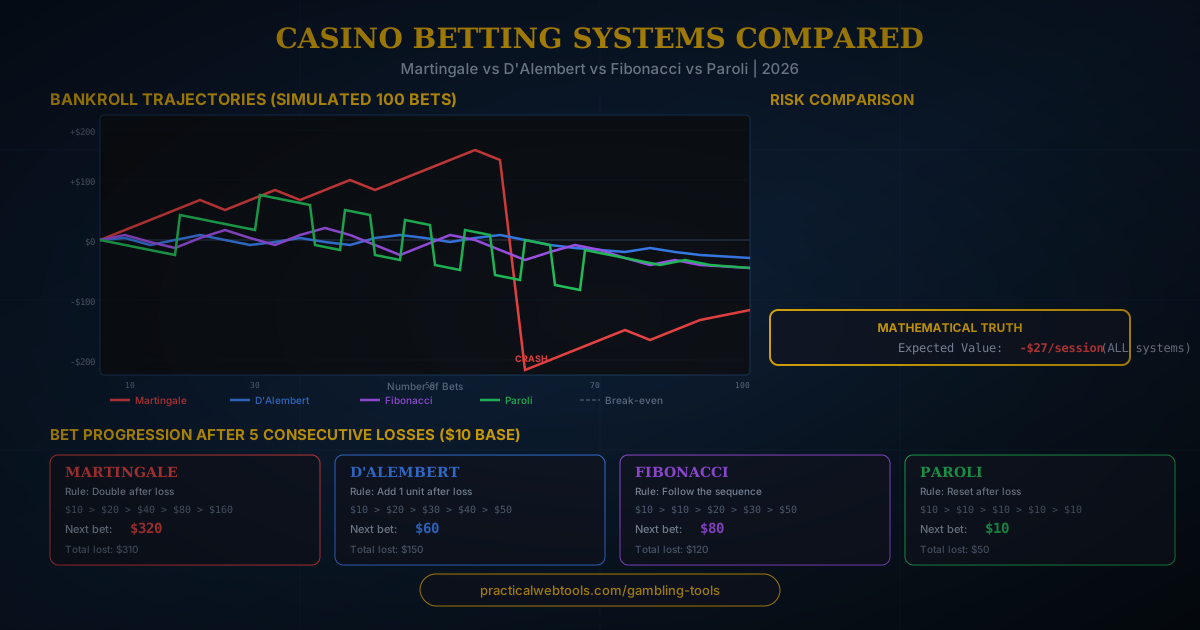
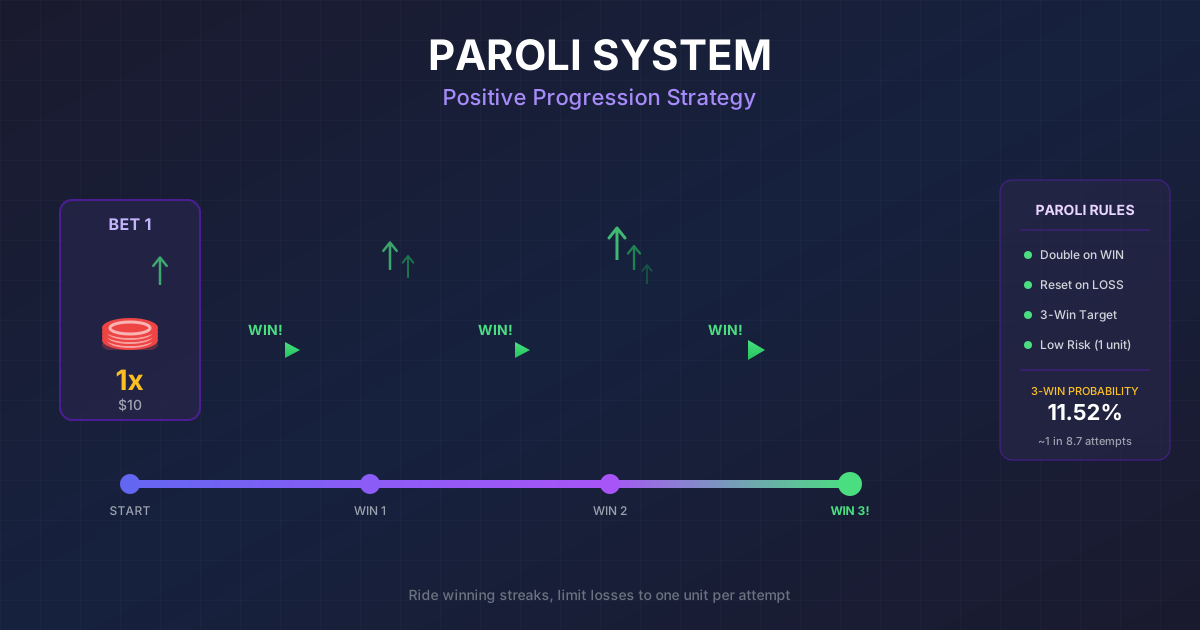
1-3-2-6 vs Paroli
Both positive progressions:

Paroli (1-2-4):
3 wins for +7 units
Max loss: 1 unit

1-3-2-6:
4 wins for +12 units
Max loss: 2 units

1-3-2-6 offers locked profit at Step 3
Paroli is simpler
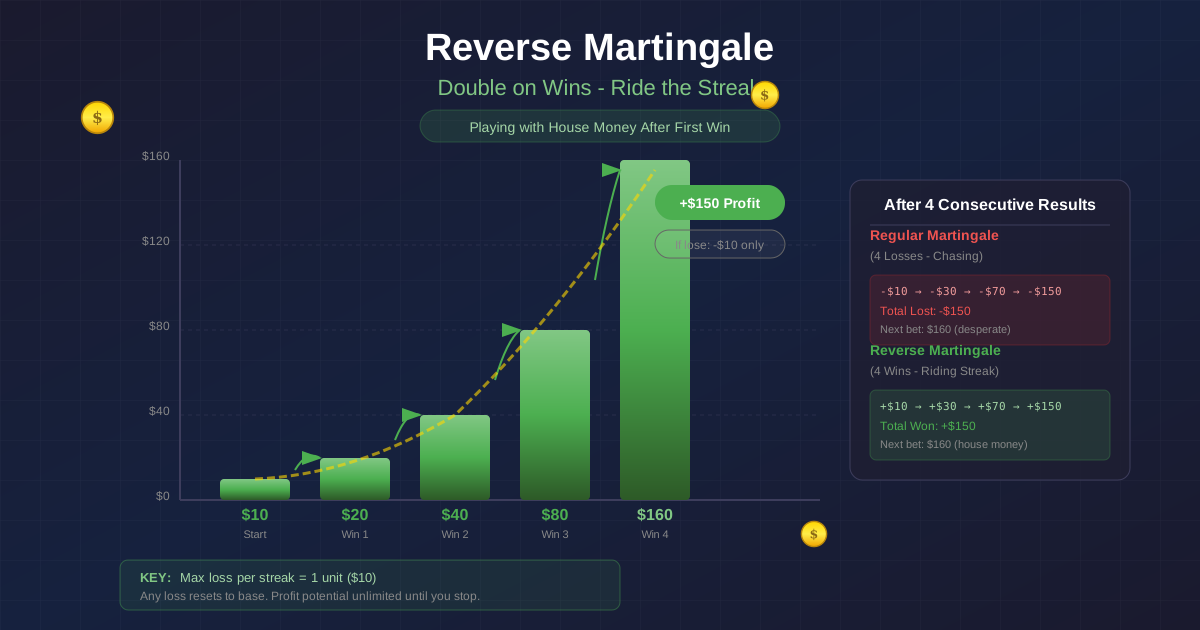
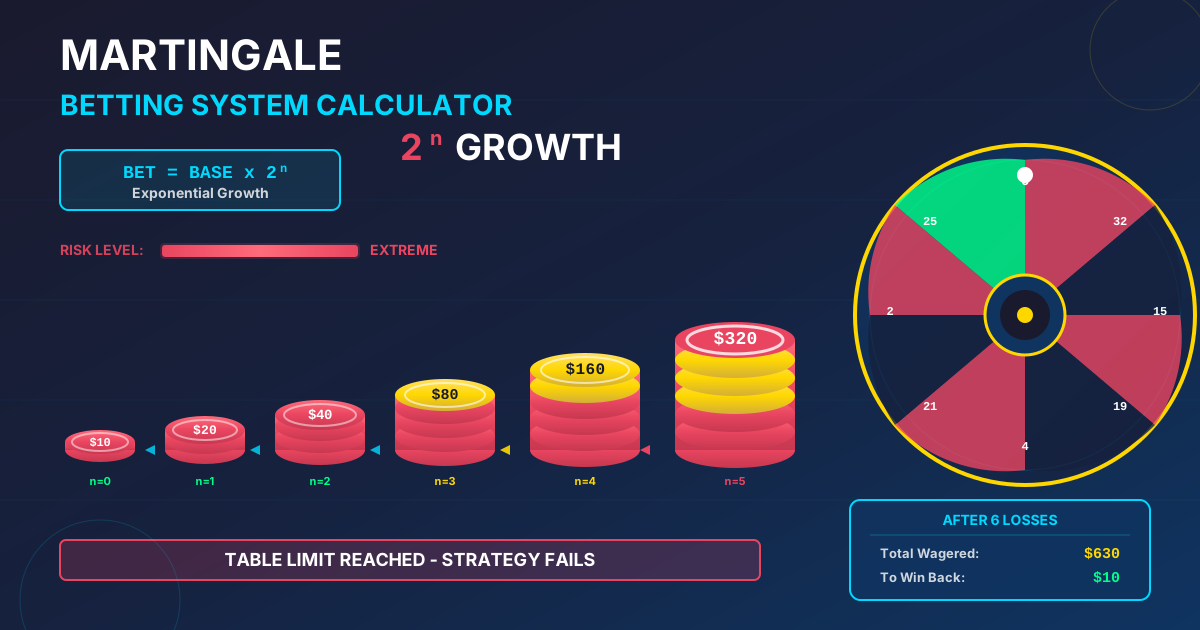
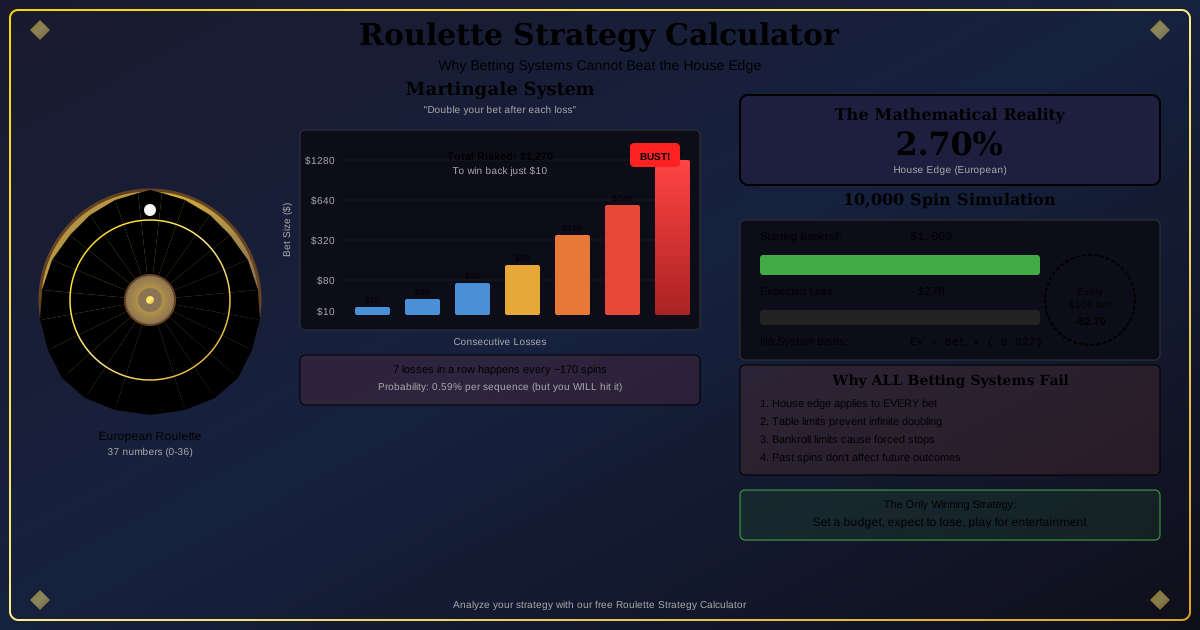
1-3-2-6 vs Martingale
Opposite philosophies:

Martingale:
Increase after losses
Huge potential loss
Guaranteed small profit (if no bust)

1-3-2-6:
Increase after wins
Max 2-unit loss
Requires streak for profit
Common Mistakes
1. Wrong Sequence
Mistake: 1-2-3-6 or 1-3-4-6 Problem: Different risk profile Fix: Exactly 1-3-2-6
2. Not Resetting
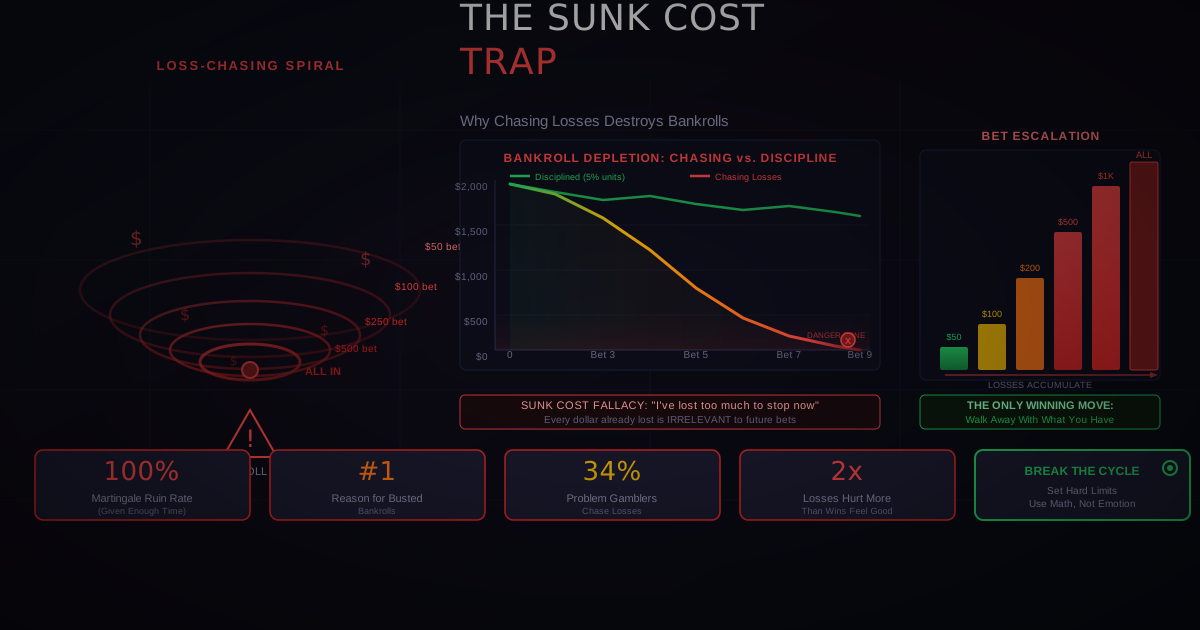
Mistake: Continuing after loss Problem: Breaks the system Fix: Any loss = back to Step 1
3. Chasing Completion
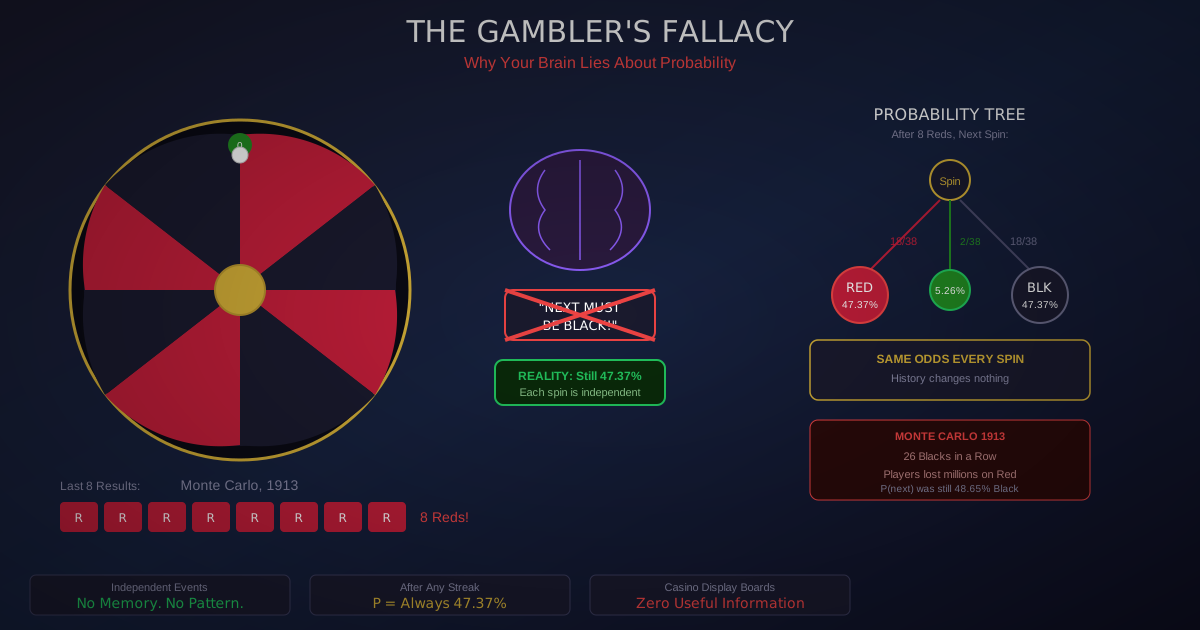
Mistake: "I need to finish the cycle" Problem: Each bet is independent Fix: Reset immediately on loss
4. Wrong Unit Sizing
Mistake: $50 base with $200 bankroll Problem: Only 4 max-loss cycles Fix: Base = 1/20+ of bankroll
Frequently Asked Questions
Why is it called 1-3-2-6?
The numbers represent the bet multiplier at each step. Bet 1 unit, then 3, then 2, then 6.
Is 1-3-2-6 better than Paroli?
Different tradeoffs. 1-3-2-6 requires 4 wins for bigger profit but locks profit at Step 3. Paroli needs 3 wins for smaller profit.
What's the maximum I can lose?
2 units—if you lose on Step 2. Steps 3-4 losses are break-even or profitable.
Can I modify the sequence?
You can, but it changes the math. 1-3-2-6 is specifically designed for the lock-profit feature at Step 3.
Best game for 1-3-2-6?
Any even-money bet. Popular in baccarat but works for roulette, craps pass line, etc.
Does it beat the house edge?
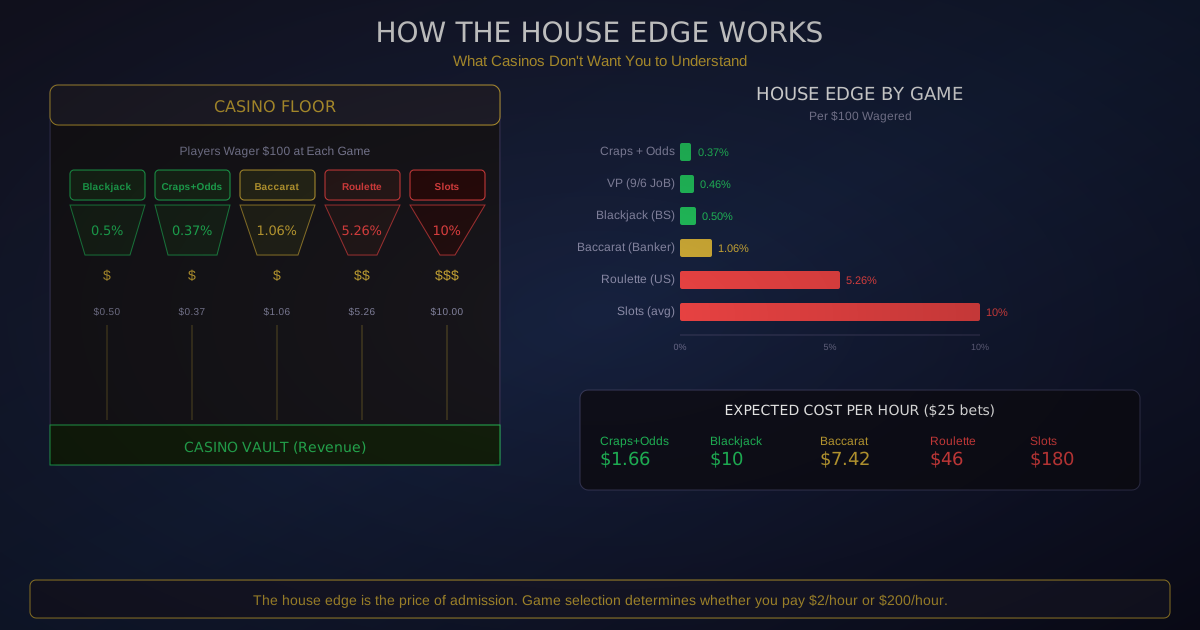
No. Expected value is still negative. It just structures when wins and losses occur differently.
Pro Tips
-
Max loss: 2 units: Only at Step 2
-
Lock profit at Step 3: Even if you lose
-
5.6% completion: Four wins are rare
-
Structured approach: Predictable outcomes
-
Same house edge: Entertainment value
Related Calculators
- Paroli Calculator - Simpler positive progression
- Martingale Calculator - Opposite approach
- Baccarat Odds Calculator - Popular game
- Expected Value Calculator - True EV
- Bankroll Calculator - Risk management
Conclusion
The 1-3-2-6 system offers structured streak betting with a clever twist—the drop to 2 units at Step 3 locks in profit even if you lose. Our calculator shows the exact outcomes at each step, the 5.6% chance of full completion, and why maximum loss is capped at just 2 units.
Calculate 1-3-2-6 Sequence Now →
Lose at Step 3 and you're still up 2 units. That's the 1-3-2-6 difference—our calculator shows how the sequence protects profits while chasing the 12-unit jackpot.